
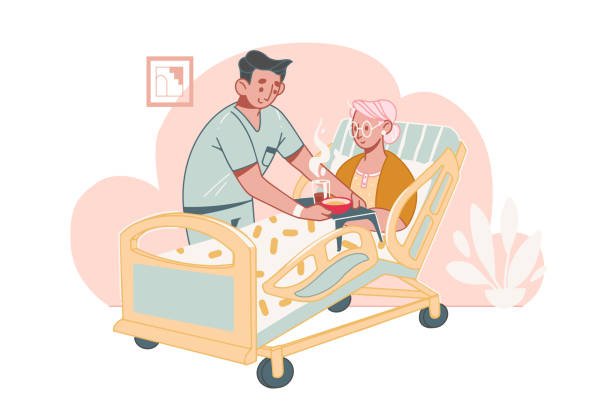
Caring for bedridden patients requires attention to their physical, emotional, and mental well-being. Here are some key aspects to consider:
1. Positioning and Mobility:
Frequent Repositioning: Change the patient’s position every 2 hours to prevent bedsores (pressure ulcers). Use pillows or foam wedges to support the body and alleviate pressure on certain areas.
Passive Exercises: Help the patient perform passive rangeofmotion exercises to maintain joint flexibility and circulation.
2. Skin Care:
Check Skin Daily: Inspect the skin regularly for signs of redness, sores, or irritation. Pay special attention to bony areas like heels, elbows, and the tailbone.
Keep Skin Dry and Clean: Clean the skin promptly after any soiling and apply moisturizers to prevent dryness. Use barrier creams if necessary to protect against moisturerelated damage.
3. Hygiene:
Bathing: Bed baths should be given regularly to keep the patient clean and comfortable. Use gentle soap and lukewarm water.
Oral Care: Perform oral care at least twice a day to prevent infections and maintain comfort.
Hair and Nail Care: Ensure hair is clean and nails are trimmed to prevent discomfort or injury.
4. Nutrition and Hydration:
Balanced Diet: Ensure the patient receives a balanced diet rich in protein, vitamins, and minerals to support skin health and overall wellbeing. Consult with a dietitian if necessary.
Hydration: Encourage fluid intake, either orally or through feeding tubes if necessary, to maintain hydration.
5. Bladder and Bowel Management:
Regular Toileting: Assist the patient with regular toileting or provide incontinence care as needed. Monitor for signs of urinary tract infections (UTIs) or constipation.
Use of Catheters: If the patient has a catheter, ensure it is properly cared for and monitor for signs of infection.
6. Emotional and Mental Health:
Social Interaction: Engage the patient in conversations, activities, or entertainment to combat feelings of isolation and boredom.
Mental Stimulation: Provide books, puzzles, or other forms of mental stimulation according to the patient’s interests and cognitive abilities.
Emotional Support: Be attentive to the patient’s emotional needs. Provide comfort, reassurance, and, if necessary, seek support from mental health professionals.
7. Medical Care:
Medication Management: Administer medications as prescribed, and monitor for side effects or adverse reactions.
Regular Monitoring: Keep track of vital signs, symptoms, and any changes in the patient’s condition. Report any concerns to the healthcare provider.
Pain Management: Assess and manage pain effectively using prescribed medications or other painrelief strategies.
8. Environmental Considerations:
Comfortable Bed: Ensure the bed is comfortable, with clean sheets and appropriate bedding. Special mattresses or cushions may be needed to prevent bedsores.
Clean Environment: Keep the patient’s environment clean, clutterfree, and wellorganized. Ensure access to personal items, a call bell, and other necessary tools.
9. Family and Caregiver Support:
Training: Family members and caregivers should receive training on how to provide proper care, including lifting and moving techniques, basic nursing skills, and emergency procedures.
Respite Care: Arrange for regular respite care to prevent caregiver burnout and ensure consistent, highquality care for the patient.